


Hello Alberto
The best time to prepare for growth is before everyone else starts paying attention.
In this week’s ThriveCart Insider, we’re sharing ideas for getting ahead of seasonal demand, how to evolve your business in line with your audience’s needs, and turning your email list into a more personal and useful part of your business. Let’s dive in!
📈 WHAT SUCCESSFUL BLOGGERS DO BEFORE HIGH SEASON HITS
If your business has a busy season, don’t wait for it to start before you begin preparing content.
Nina Clapperton of She Knows SEO recommends starting about six months ahead to give your content time to rank and your audience time to find you.

1) Find your high season. Look at your past traffic, Google Search Console, Google Trends, or keyword research tools to see when people are searching for topics related to your business. Even if your entire business isn’t seasonal, some topics or offers probably are.
2) Set a specific goal. “Get more traffic” is hard to act on. A clearer goal might be to double your email subscribers, increase sales by a certain amount, or bring in a specific number of new customers during your busiest month.
3) Create and connect your content early. Publish seasonal content before demand peaks. Look at the posts that are already performing well, then create related content around them. Add internal links on your website so visitors can easily find the next helpful article, resource, or offer.
4) Plan how you’ll capture and keep that attention. Add a relevant email opt-in to your most popular content. You can also plan a welcome sequence, free challenge, or live event to give new visitors a reason to stay connected after the busy season ends.
🎯 What this means for you: Take a look at the next six months and ask:
- When are people most likely to need what I offer?
- What would I like to achieve during that season?
- What needs to be created, updated, or promoted before then?
- How will I stay in touch with the people who find me?
A little preparation now can help you make the most of your busiest months without starting from scratch every year.
📖 Watch more: What Successful Bloggers Do Before High Season Hits
💌 GET THE MAXIMUM RESULTS FROM YOUR EMAIL LIST BY DOING THESE 4 THINGS
Growing your email list is important, but the number of subscribers is only part of the story. Email marketing expert Liz Wilcox shares four ways to make your existing list more engaged and connected.
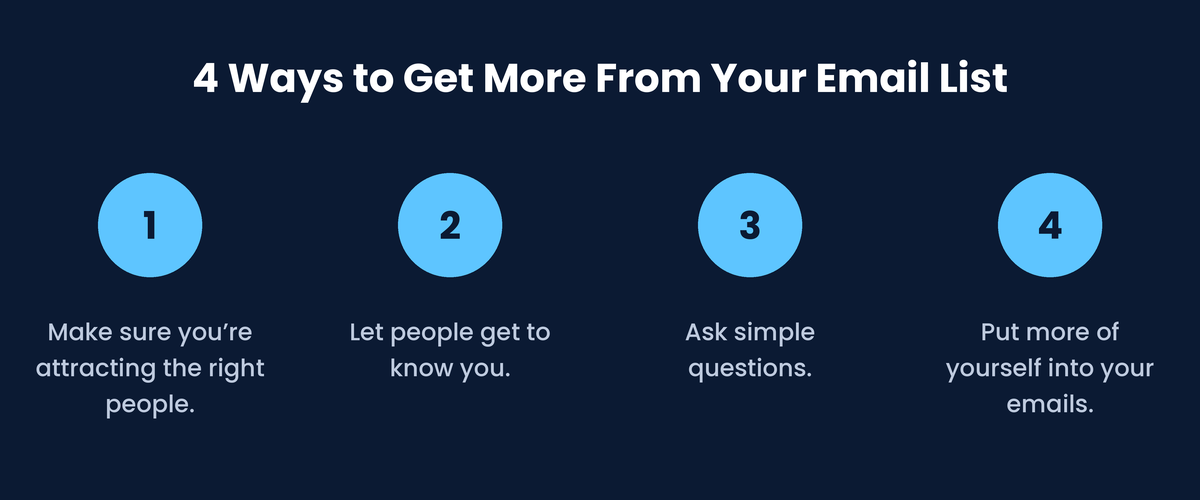
1) Make sure you’re attracting the right people. A freebie or sign-up offer should appeal to the people you actually want to work with. If your list is filled with people who aren’t interested in your offers, more subscribers won’t necessarily lead to better results.
2) Let people get to know you. Email is personal, but you can make it feel even more real by showing up in other ways, too. Share a video, host a live Q&A, invite people to a co-working session, or let them hear your voice through a podcast.
3) Ask simple questions. Instead of sending an email that only gives information, invite a reply. Ask about someone’s top priority, what they’re working on, or what they need help with. Keep the question easy enough that they can answer in one sentence if they want to.
4) Put more of yourself into your emails. Share a photo, a quick story, a favorite GIF, or something that made you laugh. These small details help people understand your personality. Just keep it brief.
🎯 What this means for you: Try adding one personal question or detail to your next email. You don’t need a complicated campaign or a long newsletter. A short message that sounds like you and gives people an easy way to respond can create a stronger connection.
📺 Watch more: Get the Maximum Results from Your Email List by Doing These Four Things
🎟️ CREATOR COMMERCE LIVE REPLAY
Nina and Liz were two of the speakers at our Creator Commerce Live event on 17 September. A big thanks to the hundreds of attendees for your enthusiasm and fantastic feedback.
 If you missed the session, no problem. You can catch up here.
🔄 YOUR BUSINESS CAN CHANGE WITHOUT STARTING OVER
Melissa Guller launched Wit & Wire while working full-time, beginning with one-on-one services and gradually moving into courses, mini products, live launches, evergreen programs, and higher-ticket offers.
As her audience and interests changed, so did her business. But the systems underneath it stayed steady. ThriveCart continues to support her checkouts, payment plans, order bumps, upsells, and connections with the other tools she uses.
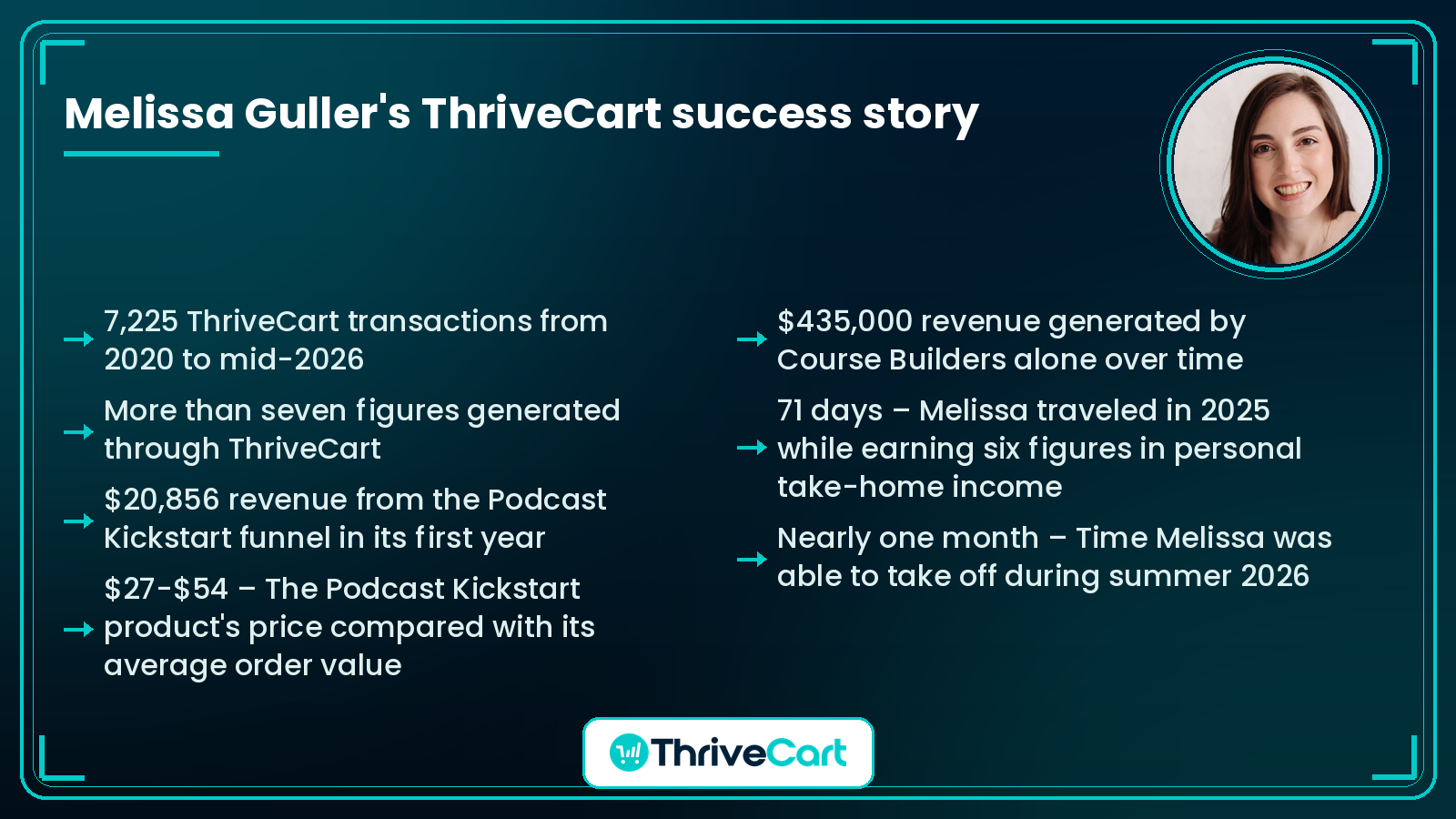 That stability gives Melissa room to test new ideas, respond to customer needs, and build simpler offers without replacing her entire setup each time the business evolved.
🎯 What this means for you: A pivot can be a good sign. It may mean you’re learning more about your audience and finding a better way to serve them.
As your offers change, consider:
- Testing a simple version before building a large program
- Letting customer questions guide your next offer
- Keeping the systems underneath your business consistent
- Reviewing your numbers before deciding what to change
- Choosing tools that can support different types of products
You don’t need to choose between flexibility and stability. Your offers can evolve while the foundation beneath them stays dependable.
📖 Read more: From Mini Products to Six-Figure Programs: How Melissa Guller Evolved Wit & Wire With ThriveCart
See you next week,
The ThriveCart Team ❤️